
Why Candid Photography Often Tells the Most Powerful Stories
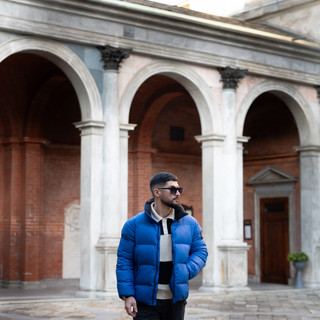
Some of the most meaningful photographs are not planned. They happen in the moments between poses, conversations and carefully organised events — when people simply forget about the camera and become themselves.
Photography gives us the ability to preserve moments that would otherwise disappear with time. While carefully planned images have their place, candid photography offers something different: an honest glimpse into real experiences, genuine emotions and the relationships between people.
From weddings and live events to everyday life, these unplanned moments can often communicate more than words ever could.
Here are six reasons why candid photography is such a powerful way to tell stories.
1. Genuine Emotions Cannot Always Be Recreated
A spontaneous laugh, a surprised expression or a quiet moment of reflection can communicate an emotion in a way that feels immediate and authentic.
When people know they are being photographed, they may become more conscious of their expressions and movements. Candid photography allows a photographer to observe moments as they naturally unfold, without constantly directing the scene.
This does not mean posed photographs are less meaningful. Rather, candid images offer a different perspective — one that captures reactions and interactions that might otherwise go unnoticed.
2. The Small Moments Often Matter Most
When looking back at an important occasion, people naturally remember the major events. However, some of the most treasured memories may come from the moments surrounding them.
At a wedding, this might be a parent's expression during the ceremony, friends sharing a joke or a couple exchanging a quiet glance between celebrations.
At a live event, it could be an audience member completely absorbed in the music or a performer preparing backstage.
These moments may not have been included in the original schedule, but they help reveal the personality and atmosphere of the experience.
3. Candid Photography Tells a More Complete Story
A strong photographic collection should communicate more than what happened. It should give the viewer a sense of how the experience unfolded.
Candid photographs help connect the different parts of a story. They capture the reactions, interactions and transitions that exist between the main events.
For example, a wedding gallery might include the ceremony itself, followed by the emotional reactions of family members and the spontaneous celebrations that follow.
Together, these images create a richer narrative than a collection consisting exclusively of formal portraits.
4. Learn to Anticipate Rather Than Interrupt
Capturing candid moments requires patience and awareness.
Instead of constantly directing people, observe their interactions and look for situations in which something meaningful might happen. Pay attention to body language, changes in expression and the way people respond to one another.
Position yourself where you can photograph naturally without unnecessarily interrupting the experience.
Anticipation is particularly important because genuine moments often last only a few seconds. Understanding your camera settings and remaining ready to react allows you to capture them without drawing attention away from the scene.
5. Technical Skills Still Matter
Although candid photography often looks effortless, producing strong images requires technical knowledge and good judgement.
Lighting conditions may change unexpectedly, subjects may move quickly and the ideal composition may exist for only a brief moment.
A photographer needs to understand exposure, autofocus and shutter speed well enough to react without hesitation.
Equally important is knowing when to prioritise the moment over technical perfection. In some situations, capturing a meaningful expression is more valuable than achieving a perfectly controlled image.
The aim is to combine technical confidence with the ability to recognise what makes a moment worth preserving.
6. Respect the People You Photograph
Authenticity should never come at the expense of someone's dignity or privacy.
Photographers need to consider the context in which they work, respect personal boundaries and follow any relevant consent requirements.
At private events, weddings and portrait sessions, communication helps establish expectations and creates trust. In public or documentary settings, it is equally important to understand the applicable rules and remain sensitive to the people being photographed.
The strongest candid photographs are not simply unposed. They are created with an awareness of the people, relationships and circumstances within the frame.
Final Thoughts
Candid photography reminds us that meaningful stories often emerge from moments we never planned.
It encourages photographers to observe carefully, anticipate interactions and recognise the emotions that make an experience unique.
Whether documenting a wedding, photographing a live performance or capturing everyday life, these moments can bring a collection of images closer to the reality of the experience.
Sometimes, the most powerful photograph is not the one you planned to take, but the moment you were paying attention enough to recognise.
By Benedikt H. Mehr Sadeh | BHM Photography
Comments