
How to Tell a Story Through Photography: 6 Tips for More Meaningful Images
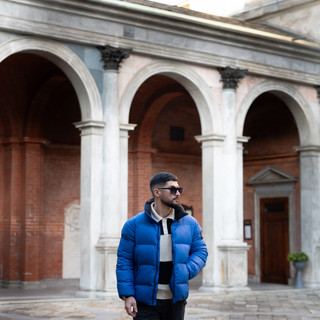
The most memorable photographs do more than show what something looked like. They help us understand what happened, how it felt and why the moment mattered.
Photography gives us the ability to freeze individual moments in time. But when several images work together, they can communicate something much bigger: a story.
Whether you are photographing a wedding, documenting a live event or exploring a new city, storytelling helps transform individual photographs into a meaningful visual experience.
Instead of simply asking whether an image looks good, consider what it contributes to the bigger picture.
Here are six practical ways to develop your visual storytelling skills.
1. Start With a Clear Story in Mind
Before taking photographs, consider what you want your images to communicate.
You do not need to plan every frame in advance. However, understanding the subject and the purpose of your assignment can help you recognise which moments deserve attention.
At a wedding, the story might centre on the relationship between two people and the emotions shared with their families. At a concert, it could be the connection between the performer and the audience.
Having a general narrative in mind helps you make more intentional decisions while photographing.
2. Capture the Beginning, Middle and End
A compelling visual story often benefits from a sense of progression.
Think about how a sequence of images can introduce a setting, develop the story and communicate its conclusion.
For an event, you might begin with a wide photograph of the venue before guests arrive. Images of people gathering and interacting can then build the narrative, followed by photographs of the main activities and the atmosphere towards the end.
This approach gives viewers context and helps them understand how the experience unfolded.
Not every story needs a strict chronological sequence, but a clear sense of progression can make a collection easier to follow.
3. Combine Wide Shots, Medium Shots and Details
Photographing the same subject from different distances creates variety and helps establish context.
Wide shots show the environment and explain where the story takes place. Medium shots reveal interactions between people, while close-ups highlight expressions, gestures and smaller details.
Imagine documenting a wedding reception. A wide photograph might show the entire room, a medium shot could capture friends sharing a laugh, and a close-up might reveal the details of the table decorations.
Together, these photographs provide a more complete picture than repeating the same composition throughout the event.
4. Look Beyond the Main Subject
Some of the most revealing photographs happen outside the centre of attention.
While the main activity is taking place, pay attention to the people watching, the reactions of those nearby and the smaller interactions happening in the background.
At a wedding, a guest's emotional reaction during a speech may communicate as much as the person giving it. During a live performance, the audience's expressions can reveal the energy of the event.
These additional perspectives help build a richer narrative and show different sides of the same experience.
5. Use Light and Colour to Establish Mood
The visual atmosphere of a photograph influences how its story is perceived.
Soft light can create a calm, intimate feeling, while strong contrast and dramatic colours may communicate energy or tension.
When creating a series, pay attention to how the lighting and colour palette work together. Consistency can help the images feel connected, while deliberate changes can signal a shift in mood or setting.
This does not mean every photograph needs identical editing. Instead, consider how your visual choices support the story you want to tell.
6. Be Selective When Building the Final Sequence
Storytelling continues after the camera is put away.
During the editing process, choose photographs that contribute something distinct to the narrative. An image might establish the setting, reveal an important interaction or provide a quiet moment between more energetic scenes.
Avoid including too many photographs that communicate exactly the same thing. Repetition can weaken the impact of an otherwise strong collection.
Arrange the selected images in a sequence that feels natural, allowing the viewer to move through the story without unnecessary distractions.
Sometimes, leaving out a photograph is just as important as choosing the right one.
Final Thoughts
Visual storytelling is a skill that develops through observation, practice and thoughtful editing.
It encourages photographers to look beyond individual images and consider how moments, details and emotions connect with one another.
By establishing context, varying your compositions and paying attention to the people and details surrounding your subject, you can create photographs that feel more complete and meaningful.
Whether you are documenting a wedding, photographing an event or capturing your travels, remember that every image can contribute to a larger story.
A beautiful photograph can capture someone's attention. A well-told visual story can make them feel part of the experience.
By Benedikt H. Mehr Sadeh | BHM Photography
Comments