
Venice, Italy – Part II: Returning to the Floating City and Rediscovering the Biennale
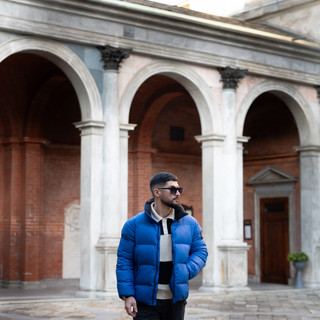
Some cities leave such a lasting impression that returning to them feels almost inevitable. Venice is one of those places. With its winding canals, historic architecture, quiet bridges, and unmistakable atmosphere, the city offers something different every time you visit.
After previously exploring Venice and experiencing its unique charm, returning to the city provided an opportunity to discover another side of its identity. This time, the focus was not only on its timeless beauty but also on contemporary art, creative expression, and the cultural energy surrounding the Venice Biennale.
Venice has always been a meeting point between history and innovation. Its historic palaces and centuries-old traditions exist alongside international exhibitions, experimental installations, and artistic perspectives that challenge the way we see the world.
Returning to Venice was therefore more than a second visit. It was another opportunity to experience the city through a different lens.
Returning to Venice: A City That Always Feels Different
There is something special about visiting a destination for a second time. The excitement of discovering a new place is replaced by a different kind of curiosity. Familiar streets become easier to navigate, recognizable landmarks feel more personal, and there is more room to explore places that might have been overlooked during the first visit.
Venice is particularly rewarding in this regard. Its intricate network of canals, narrow passageways, small squares, and hidden courtyards makes it almost impossible to experience everything in a single trip.
Even when returning to familiar areas, the city reveals new details. The reflection of a building in the water, the sound of footsteps echoing through a quiet alley, or the changing light across a canal can transform an ordinary walk into a memorable moment.
This time, revisiting Venice also meant approaching the city with a greater appreciation for its artistic identity. Beyond its historical significance and architectural beauty, Venice remains a place where creativity is constantly being explored, questioned, and reimagined.
The Venice Biennale: Where Art Meets the World
One of the highlights of returning to Venice was experiencing the Biennale once again.
The Venice Biennale is one of the world's most important international cultural institutions, bringing together artists, curators, architects, and creative practitioners from across the globe. Its exhibitions provide a platform for different artistic voices, offering visitors the opportunity to engage with contemporary ideas, social questions, and new forms of visual expression.
Unlike a traditional museum visit, the Biennale encourages exploration and interpretation. Some works communicate through powerful visual imagery, while others use sound, space, film, or interactive installations to create an experience that extends beyond the artwork itself.
The result is an environment where art becomes a conversation between the artist, the audience, and the world in which we live.
For anyone interested in photography and visual storytelling, this makes the Biennale particularly fascinating. It challenges you to look beyond the obvious, pay attention to details, and consider how images, materials, and spaces influence the way we understand a subject.
Experiencing the Biennale again also highlights how much contemporary art can change the way we perceive a familiar city. Venice becomes more than a historic destination; it becomes a living cultural landscape.
Discovering New Perspectives Through Contemporary Art
One of the most interesting aspects of visiting an international art exhibition is the diversity of perspectives it brings together.
Artists from different cultural backgrounds approach subjects such as identity, memory, politics, technology, nature, and human relationships in very different ways. Their work can be visually striking, intellectually challenging, or unexpectedly emotional.
Some installations invite visitors to step inside an artwork, while others encourage them to pause and reflect on a single image or object. There is rarely just one correct way to interpret what you see.
This openness is part of what makes contemporary art so engaging. You do not need to understand every reference or artistic decision to appreciate the experience. Sometimes, the most valuable response is simply to remain curious and allow a work to make an impression.
Returning to the Biennale offers another opportunity to engage with this diversity of expression. Even when the setting is familiar, the ideas and artistic approaches can create an entirely different experience.
For photographers, the exhibition also serves as a reminder that visual storytelling is not limited to documenting what is directly in front of the camera. It is about perspective, context, emotion, and the choices that shape how a story is communicated.
Venice as a Living Canvas
Venice itself feels like an artwork.
Its architecture, waterways, textures, and changing light create a visual environment that is difficult to replicate anywhere else. The city combines centuries of history with an atmosphere that continues to inspire artists, designers, writers, and photographers.
Walking through Venice often feels like moving through a constantly changing composition. A narrow canal frames a distant building, a bridge creates a natural leading line, or a reflection transforms the appearance of an otherwise familiar façade.
These moments are especially rewarding when you take the time to observe your surroundings rather than simply moving between major attractions.
The relationship between the city's historic setting and the contemporary art of the Biennale creates an interesting contrast. On one side, Venice preserves the architectural and cultural heritage that has defined it for centuries. On the other, the Biennale introduces new ideas that question traditions and explore the possibilities of artistic expression.
Together, they reveal why Venice remains such an important destination for creative minds.
Finding Beauty in the Details
One of the advantages of returning to a destination is the opportunity to slow down.
Rather than feeling the need to see every famous landmark, you can spend more time observing the details that make a place unique. In Venice, these details are everywhere: weathered walls, old wooden doors, boats moving quietly through narrow canals, and the interplay between light and shadow in the city's smaller streets.
Photography naturally encourages this kind of observation. It invites you to notice elements that might otherwise go unnoticed and to consider how a particular moment can be translated into an image.
The Biennale offers a complementary perspective. While street photography often captures spontaneous moments in everyday life, contemporary art can encourage a more deliberate examination of meaning, composition, and emotion.
Bringing these two experiences together makes a return visit to Venice especially rewarding. The city becomes both a subject to photograph and a source of inspiration for seeing the world differently.
Sometimes, the most memorable moments are not the grandest ones. They are the quiet details that stay with you long after you have left.
Beyond the Exhibitions: Experiencing Everyday Venice
Although the Biennale provides a compelling reason to return, Venice's everyday atmosphere remains just as important to the experience.
Taking a break at a small café, enjoying Italian cuisine, or wandering through a neighborhood away from the busiest tourist routes offers a different way to connect with the city.
Venice rewards those who allow themselves to get a little lost. A short walk away from the main attractions can reveal quieter canals, small neighborhood squares, and local businesses that provide a glimpse into daily life.
These experiences balance the intensity of visiting exhibitions and cultural landmarks. They create space to reflect on what you have seen and to appreciate the city beyond its reputation as one of the world's most famous destinations.
Food is another essential part of the experience. From traditional Venetian cicchetti to freshly prepared pasta and seafood dishes, the city's culinary culture offers plenty of opportunities to slow down and enjoy the moment.
A relaxed meal or an evening walk beside the canals can become just as memorable as a visit to an important exhibition.
Why Returning to a Destination Matters
Travel is often associated with discovering somewhere new. Yet returning to a place can be equally meaningful.
A second visit allows you to build on your previous experience, notice details that you missed, and develop a more personal connection with a destination. You arrive with a different perspective, and that perspective influences what you choose to explore.
Venice demonstrates this particularly well. Its historic beauty remains familiar, but the Biennale introduces new ideas and creative experiences that make the city feel different again.
Returning also creates an opportunity to reflect on how your own interests have developed. Places that once impressed you for their architecture might now inspire you through their art, design, or atmosphere.
For anyone who enjoys photography, this is an important part of the creative process. Seeing a familiar place differently can lead to new compositions, new ideas, and a deeper appreciation of visual storytelling.
Sometimes, you do not need to travel farther to discover something new. You simply need to return with a different perspective.
Venice, Once Again: A Journey That Continues
Venice has a rare ability to remain familiar while continuing to surprise you.
Its canals, historic buildings, and unmistakable atmosphere provide a timeless setting, while the Biennale brings contemporary ideas and international perspectives into the heart of the city.
Returning to Venice for another encounter with the Biennale offered a chance to experience both sides of this extraordinary destination: the beauty of a city shaped by history and the creative energy of a place that continues to inspire new ways of thinking.
Beyond the exhibitions, the small moments remained just as important. Walking through the streets, observing the changing light, discovering new details, and simply enjoying the atmosphere all contributed to the experience.
Perhaps that is the real appeal of returning to a place like Venice. There is always another perspective to discover, another detail to appreciate, and another reason to see the city with fresh eyes.
Venice is not simply a destination you visit once. It is a city you can return to, experience differently, and continue to rediscover.


Comments