
Tirana: Discovering Albania's Colorful Capital – A Journey Through History, Culture and Modern Life
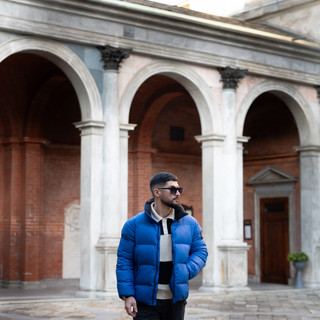
Tirana is a city full of contrasts. Colorful buildings stand alongside historic mosques, remnants of a complex communist past coexist with modern cafés, and lively streets reveal a capital that continues to reinvent itself. As the heart of Albania, Tirana offers a fascinating blend of history, culture, and contemporary Mediterranean and Balkan influences.
Often overlooked in favor of Albania's spectacular coastline and mountain landscapes, the capital deserves a place of its own on any travel itinerary. It is a city where traditional markets meet trendy neighborhoods, where historical landmarks tell stories of another era, and where everyday life unfolds around lively squares and welcoming cafés.
For travelers who enjoy discovering destinations beyond the usual tourist routes, Tirana offers a refreshing perspective on European city life. Its atmosphere is energetic, its history is complex, and its evolving architecture makes it an especially interesting destination to explore with a camera in hand.
Skanderbeg Square: The Heart of Tirana
Almost every journey through Tirana begins at Skanderbeg Square, the city's central meeting point and one of its most recognizable landmarks.
Named after Albania's national hero Gjergj Kastrioti Skanderbeg, the expansive pedestrian square is surrounded by important buildings, including the Palace of Culture, the National Historical Museum building, the Et'hem Bey Mosque, and the famous Clock Tower.
The square combines monumental architecture with an open urban space that reflects the city's changing identity. Its distinctive paving incorporates natural stones sourced from different regions of Albania, creating a visual connection between the capital and the country's wider landscape.
At its center stands the equestrian monument of Skanderbeg, a reminder of Albania's national history and cultural identity.
Skanderbeg Square is more than a sightseeing destination. It is a place where residents meet, events take place, and visitors can observe the rhythm of everyday life. During the day, the surrounding streets are full of activity, while in the evening, the illuminated buildings create a different atmosphere.
Take your time here before exploring the smaller streets nearby. Many of Tirana's most interesting attractions are within walking distance, making the square an ideal starting point for discovering the city.
The Colorful Architecture of Tirana
One of the first things that makes Tirana stand out is its use of color. Brightly painted façades, geometric patterns, and unexpected combinations of architectural styles give parts of the city a distinctive visual identity.
The capital has undergone significant urban transformation since the end of communist rule. Colorful building façades became one of the most visible elements of efforts to change the appearance of the city, creating a more vibrant atmosphere in several neighborhoods.
Walking through central Tirana, you will encounter buildings in shades of yellow, orange, pink, green, and blue. Some feature playful patterns, while others combine modern design with older architectural details.
This visual diversity makes the city particularly rewarding for photographers. Contrasts between old and new, bold colors against neutral façades, and the movement of everyday street life create opportunities for compelling urban photography.
Rather than focusing exclusively on famous monuments, look for the smaller details: balconies, doorways, reflections in windows, and the way the afternoon light falls across a colorful building.
These details reveal a side of Tirana that is easy to miss when rushing from one attraction to another.
Bunk'Art: Exploring Albania's Communist Past
To understand modern Albania, it is important to explore the country's more recent history. Few places offer a more striking introduction than Bunk'Art.
During the communist period, Albania built an extensive network of bunkers as part of a national defense strategy. Today, some of these structures have been transformed into museums that explore the country's political history and the experiences of people who lived under the regime.
Bunk'Art 2, located close to the city center, focuses particularly on the history of the former Ministry of Internal Affairs, state security, and political persecution. Its underground rooms combine historical documents, exhibitions, and preserved spaces to tell a difficult but important story.
Bunk'Art 1, situated farther from the center near the Dajti mountain area, occupies a much larger underground bunker and explores the country's military history and communist-era political context.
Visiting one of these museums offers a different experience from the usual city sightseeing itinerary. The atmosphere underground, the narrow corridors, and the historical material provide a powerful contrast to the lively streets above.
These sites also help explain why Tirana looks the way it does today. The city is not defined by one historical period but by the layers of history that continue to shape its identity.
The Pyramid of Tirana: From Controversial Monument to Modern Landmark
Few buildings illustrate Tirana's transformation quite like the Pyramid of Tirana.
Originally opened in 1988 as a museum dedicated to former communist leader Enver Hoxha, the unusual structure later passed through several different uses. Today, it has been transformed into a contemporary space associated with education, technology, and public activity.
Its angular concrete form contrasts sharply with the more traditional architecture surrounding it. The building's unconventional appearance has made it one of the capital's most distinctive landmarks.
The Pyramid is particularly interesting because it represents a changing relationship with Albania's past. Rather than simply removing a controversial structure, the city has adapted it for new purposes, giving it a different role in contemporary urban life.
The surrounding area is worth exploring as well. Wide boulevards, public spaces, and nearby architectural landmarks reveal how Tirana combines elements of its twentieth-century history with modern development.
For photographers, the Pyramid offers strong geometric lines, unusual perspectives, and interesting contrasts between concrete, sky, and the surrounding cityscape.
Blloku: The Modern Side of Tirana
If Skanderbeg Square represents the historical center of Tirana, Blloku reveals the city's contemporary personality.
During the communist period, this neighborhood was associated with the political elite and was not freely accessible to ordinary citizens. Today, it has become one of the capital's most popular areas for cafés, restaurants, bars, and nightlife.
The transformation is striking. Streets that once symbolized exclusivity now welcome residents and visitors looking for good food, creative spaces, and a lively atmosphere.
Blloku is an excellent place to experience modern Tirana at its most energetic. Stylish coffee shops sit beside restaurants serving traditional Albanian cuisine, while contemporary bars and small boutiques contribute to the neighborhood's urban character.
During the day, it is ideal for a relaxed coffee break or lunch. In the evening, the streets become busier as people meet friends and enjoy the city's social scene.
What makes Blloku particularly interesting is the contrast between its history and its present. The neighborhood reflects how Albania has changed and how younger generations are shaping the capital's identity.
For travelers interested in local lifestyle, Blloku offers a welcome opportunity to move beyond traditional sightseeing and experience the city as a living, evolving place.
Pazari i Ri: Discovering Local Flavors and Everyday Life
For a more traditional atmosphere, head to Pazari i Ri, also known as the New Bazaar.
This lively market district brings together fresh produce, local food, small shops, cafés, and restaurants. It is a place where visitors can observe everyday life while discovering some of the flavors and traditions that define Albanian cuisine.
Markets are often among the best places to understand a destination beyond its famous landmarks. In Tirana, the New Bazaar provides a glimpse into local food culture and the social importance of gathering around meals.
Albanian cuisine reflects influences from the Balkans and the wider Mediterranean region. Depending on the restaurant, you may encounter grilled meats, fresh vegetables, regional cheeses, pastries, and traditional dishes prepared with yogurt, herbs, and seasonal ingredients.
One specialty worth trying is fërgesë, a traditional Albanian dish commonly prepared with peppers, tomatoes, and cheese or other regional ingredients. Tave kosi, a baked dish made with lamb and yogurt, is another well-known Albanian classic.
The city also has a growing café culture, making it easy to combine a market visit with a coffee or a relaxed lunch.
Take the time to explore the surrounding streets, too. Small details, colorful storefronts, and the interaction between vendors and customers give this part of Tirana a character that differs from the modern atmosphere of Blloku.
Mount Dajti: A Natural Escape Above the City
Although Tirana is an urban destination, nature is never too far away. Rising to the east of the capital, Mount Dajti offers a refreshing change of scenery and panoramic views across the surrounding landscape.
One of the easiest ways to experience the mountain is by taking the Dajti Ekspres cable car. The journey carries visitors above the city and toward the green slopes of Dajti National Park, where the atmosphere becomes noticeably quieter.
From higher viewpoints, you can admire the sprawling urban landscape, surrounding hills, and, on clear days, distant views extending toward the coast.
The mountain is a popular destination for hiking, outdoor activities, and simply escaping the busy streets below. Restaurants and recreational areas provide opportunities to spend several hours enjoying the surroundings.
The experience also reveals another side of Albania. Beyond its cities and coastline, the country offers impressive mountain scenery and landscapes that are easily accessible from the capital.
For photographers, Mount Dajti provides a different set of opportunities, from wide panoramic compositions to landscapes shaped by changing weather and light.
If you have more than a day in Tirana, setting aside time for the mountain can add a welcome balance to a city-focused itinerary.
The Grand Park of Tirana: Slowing Down by the Lake
Another place to escape the pace of the city is the Grand Park of Tirana, located south of the central area.
The park surrounds the Artificial Lake and provides a spacious green environment for walking, cycling, exercising, or simply relaxing outdoors. Its paths and shaded areas create a pleasant contrast with the traffic and activity of the city center.
Locals come here to spend time with friends, walk their dogs, exercise, or enjoy a coffee in the surrounding area. The park therefore offers an opportunity to observe everyday life in a more relaxed setting.
A walk around the lake can be particularly enjoyable in the morning or late afternoon, when the light becomes softer and the surroundings feel calmer.
For visitors spending several days in Tirana, the park provides a useful break between museums, historic landmarks, and busy neighborhoods.
It is also a reminder that the city's appeal extends beyond architecture and history. Public spaces, cafés, and outdoor activities play an important role in the way people experience contemporary Tirana.
A City of Contrasts: Religion, Culture and Identity
One of Tirana's most interesting characteristics is the coexistence of different cultural and religious traditions.
The city is home to mosques, Orthodox churches, Catholic churches, and other religious institutions. Among its historic landmarks, the Et'hem Bey Mosque stands out for its importance to the city's architectural heritage and its location beside Skanderbeg Square.
The mosque, built between 1798 and 1812, is known for its decorative details and historical significance. Nearby, the Clock Tower adds another recognizable feature to the city's central skyline.
Together, these buildings offer a glimpse into the historical influences that have shaped Tirana over time.
The city's cultural identity cannot be reduced to a single architectural style or historical period. Ottoman influences, Italian-era buildings, communist-era structures, and contemporary developments all contribute to its distinctive appearance.
This variety makes exploring Tirana particularly rewarding. Within a relatively short walk, you can move from historic religious buildings to modern urban spaces, from traditional markets to contemporary restaurants.
For travelers interested in architecture and cultural history, the city offers an experience that feels different from many of Europe's more familiar capitals.
When to Visit Tirana
Tirana can be visited throughout the year, but spring and autumn are particularly appealing for exploring the city on foot.
Spring brings milder temperatures and greener public spaces, making it an excellent time to discover the historic center, visit outdoor cafés, and explore the Grand Park.
Summer is lively, but temperatures can become very high. Early mornings and evenings are generally more comfortable for sightseeing, while the middle of the day can be reserved for museums, cafés, or a longer lunch.
Autumn offers pleasant conditions for walking and exploring the city's neighborhoods. It is also a good time to combine a city break with excursions into the surrounding hills and countryside.
Winter brings a quieter atmosphere, although Tirana remains active throughout the year. Cafés and restaurants provide welcoming places to escape cooler weather, while the city center takes on a different character during the holiday season.
If you plan to visit Bunk'Art, the cable car, or other museums, check opening hours before traveling, as schedules can vary.
Why Tirana Should Be on Your Travel List
Tirana is a destination for travelers who enjoy discovering cities that are still evolving.
It does not offer the perfectly preserved medieval atmosphere of Prague or the monumental elegance of Paris. Instead, its appeal lies in its contrasts: colorful buildings, historic squares, underground bunkers, modern cafés, traditional markets, and green spaces all contribute to a city with a distinctive personality.
Its history gives the city depth, while its contemporary lifestyle makes it feel energetic and welcoming. Whether you are exploring Skanderbeg Square, learning about Albania's communist past, enjoying dinner in Blloku, or taking the cable car up Mount Dajti, there is always another side of the capital to discover.
Tirana is also an excellent starting point for exploring more of Albania. Historic towns, mountain landscapes, archaeological sites, and coastal destinations can all be reached on trips from the capital.
For photographers, the city is especially rewarding because it offers a combination of strong architectural contrasts, vibrant colors, everyday street scenes, and changing urban landscapes.
Above all, Tirana encourages you to look beyond first impressions. Its character is not defined by a single landmark but by the combination of experiences that reveal how the city has changed and where it is heading.
Tirana: A Capital That Continues to Reinvent Itself
Tirana is more than a gateway to Albania. It is a destination in its own right, shaped by a complex history and an unmistakable contemporary energy.
From the open spaces of Skanderbeg Square to the colorful streets of the city center, from the historical exhibitions of Bunk'Art to the lively cafés of Blloku, the capital offers a fascinating mixture of past and present.
What makes Tirana special is the way these different elements coexist. Historic monuments stand alongside modern developments, traditional food culture remains part of everyday life, and public spaces continue to evolve with the city.
A visit here is an opportunity to discover a different side of Europe — one that feels familiar in some ways yet distinct in its history, architecture, and rhythm of life.
Tirana is a city to explore with curiosity, experience without rushing, and photograph through its contrasts. For anyone looking to discover Albania beyond its famous beaches, the capital is an excellent place to begin.


Comments