
Valencia, Spain: Discovering the Mediterranean Soul of the City
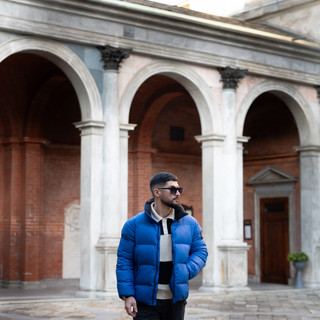
Valencia is a city where Mediterranean charm meets modern creativity. Located on Spain's eastern coast, this vibrant destination combines historic architecture, futuristic landmarks, golden beaches, and a relaxed lifestyle shaped by sunshine, food, and the sea. It is a place where centuries of history coexist with contemporary design, creating an atmosphere that feels both authentic and forward-looking.
Often overshadowed by Barcelona and Madrid, Valencia offers a character all of its own. Its historic streets invite you to explore at a slower pace, its modern architecture captures the imagination, and its coastal setting provides the perfect balance between urban discovery and relaxation.
From the winding streets of the old town to the impressive City of Arts and Sciences, Valencia offers countless experiences for travelers interested in culture, architecture, photography, and Spanish lifestyle.
Whether you are visiting for a weekend escape or spending several days discovering the region, Valencia is a destination that reveals its beauty through both its famous landmarks and its everyday moments.
The City of Arts and Sciences: A Vision of the Future
Few places represent modern Valencia as clearly as the City of Arts and Sciences, known locally as the Ciutat de les Arts i les Ciències.
Designed primarily by Santiago Calatrava, together with contributions from other architects, this extraordinary complex has become one of Spain's most recognizable examples of contemporary architecture. Its futuristic structures, reflective pools, and sweeping white forms create a striking contrast with the historic center of Valencia.
The complex includes several major attractions, among them the science museum, the Hemisfèric, and the Oceanogràfic, one of Europe's largest aquarium complexes.
Even from the outside, the architecture is impressive. Curved structures reflect across the water, geometric shapes create dramatic compositions, and the surrounding open spaces offer a sense of scale that is difficult to appreciate from photographs alone.
For photographers, this is one of Valencia's most rewarding locations. The combination of symmetry, reflections, strong architectural lines, and natural light creates opportunities for both minimalist compositions and dramatic wide-angle images.
Visit in the morning for softer light or return toward sunset, when the white architecture takes on warmer tones. The atmosphere changes throughout the day, making the complex worth experiencing from different perspectives.
The City of Arts and Sciences demonstrates how Valencia has embraced innovation while continuing to preserve its historical identity.
The Old Town: Discovering Valencia's Historic Character
Beyond its futuristic architecture, Valencia has a historic center filled with charming streets, traditional squares, and centuries-old landmarks.
The Ciutat Vella, or Old Town, is one of the best places to begin exploring. Its narrow streets reveal colorful façades, small boutiques, cafés, and architectural details that tell the story of the city's development over time.
At the heart of the historic center stands Valencia Cathedral, an impressive building that combines different architectural influences. Its construction began in the thirteenth century, and its appearance reflects the Gothic, Romanesque, and Baroque styles that emerged during different periods.
Nearby, the Miguelete bell tower rises above the surrounding rooftops. Climbing to the top rewards visitors with panoramic views across the historic center and the wider city.
Another essential stop is Plaza de la Virgen, one of Valencia's most atmospheric squares. Surrounded by historic buildings and outdoor cafés, it is an inviting place to pause and appreciate the rhythm of local life.
Exploring the Old Town on foot is one of the best ways to experience Valencia. Rather than rushing between attractions, allow yourself to wander through the smaller streets and discover unexpected courtyards, traditional shops, and quiet corners.
For photographers, the historic center offers a rich combination of textures, colors, architectural details, and everyday street scenes.
Mercado Central: A Celebration of Spanish Food Culture
One of the most memorable ways to experience Valencia is through its food, and Mercado Central provides an excellent introduction to the region's culinary traditions.
Housed in a remarkable Modernista building, this bustling market brings together stalls selling fresh produce, seafood, meat, spices, cheeses, and local specialties.
The architecture is worth appreciating in its own right. Its decorative ironwork, colorful ceramic details, and expansive interior create a beautiful setting for one of the city's most important everyday institutions.
Inside, the atmosphere is lively and full of sensory details. Vendors arrange their products carefully, shoppers move between the stalls, and the colors and aromas reveal the richness of the local food culture.
Valencia is particularly famous for its rice dishes, reflecting the agricultural traditions of the surrounding region. Fresh ingredients, seasonal produce, and Mediterranean flavors are central to the local cuisine.
For visitors, Mercado Central offers an opportunity to discover these traditions beyond the restaurant table. It is a place to observe daily life, try local products, and appreciate the relationship between food and regional identity.
The surrounding streets are also worth exploring, with traditional cafés, bakeries, and restaurants providing plenty of opportunities to enjoy a relaxed meal.
Paella: Discovering the Culinary Identity of Valencia
Few dishes are as closely associated with Valencia as paella.
Although paella is now popular throughout Spain and internationally, its roots lie in the Valencian region, where rice cultivation has long been an important part of local agriculture.
Traditional Valencian paella is typically prepared with rice, chicken, rabbit, green beans, garrofó beans, saffron, and other ingredients depending on the recipe. Seafood versions are also widely available, particularly along the coast, but the original Valencian preparation has its own distinctive identity.
For travelers, trying paella in its home region is an essential part of the experience. It is more than a meal; it reflects local ingredients, culinary traditions, and a culture of sharing food with family and friends.
One of the best places to explore Valencia's rice culture is the area around Albufera, a coastal lagoon south of the city where rice cultivation has shaped the landscape for generations.
Here, the connection between food and place becomes particularly clear. The surrounding wetlands, agricultural fields, and traditional restaurants provide a deeper understanding of why rice is so important to Valencian cuisine.
Whether enjoyed at a traditional restaurant or during a relaxed lunch near the coast, paella is an experience that belongs on any Valencia itinerary.
Jardín del Turia: A Green Escape Through the City
Valencia offers more than historic streets and modern architecture. One of its most distinctive features is the Jardín del Turia, an extensive urban park created in the former riverbed of the Turia River.
Following a major flood in 1957, the river was diverted away from the city center. The former riverbed was subsequently transformed into a long green space that now stretches through Valencia, connecting different neighborhoods and major attractions.
Today, the park is one of the city's most popular outdoor spaces. Walking and cycling paths, gardens, sports facilities, and shaded areas provide room for relaxation and activity.
The Turia Gardens also connect several important parts of Valencia, including the historic center and the City of Arts and Sciences. This makes the park both a destination in its own right and a convenient route for exploring the city.
Along the way, visitors encounter bridges, fountains, landscaped gardens, and quiet spaces that offer a welcome contrast to the busier streets.
For photographers, the park provides a variety of subjects, from architectural bridges and leading lines to natural textures and candid moments of everyday life.
It is particularly enjoyable in the morning or late afternoon, when the temperatures are more comfortable and the light becomes softer.
Valencia's Beaches: Mediterranean Life by the Sea
Valencia's relationship with the Mediterranean is an essential part of its identity.
Unlike some historic European cities where the coast feels distant from the center, Valencia offers relatively easy access to long sandy beaches and a relaxed seaside atmosphere.
Playa de las Arenas and Playa de la Malvarrosa are among the city's best-known beaches. Both offer wide stretches of sand, seaside promenades, and nearby restaurants where visitors can enjoy local cuisine.
A walk along the waterfront provides a different perspective on Valencia. The historic center feels far away, and the pace of life becomes more relaxed as the sea takes center stage.
The beach is popular with residents as well as visitors. People come to swim, exercise, walk, or simply spend time outdoors, making it a wonderful place to experience the city's everyday Mediterranean lifestyle.
For photographers, the coastline offers opportunities to capture the changing colors of the sea, silhouettes against the horizon, and the interaction between people and the landscape.
Early mornings can be especially rewarding, when the beach is quieter and the light is soft. In the evening, the promenade becomes a lively place to enjoy the sunset and the cooler air.
Valencia's beaches demonstrate that a city break here can combine cultural discovery with the freedom to slow down by the water.
Ruzafa: Valencia's Creative and Contemporary Side
For a different perspective on the city, explore Ruzafa, also known as Russafa in Valencian.
Located south of the historic center, this neighborhood has become one of Valencia's most interesting areas for cafés, independent shops, restaurants, galleries, and contemporary culture.
Its streets combine traditional buildings with modern businesses, colorful storefronts, and a lively atmosphere that attracts both locals and visitors.
Ruzafa is an excellent place to experience Valencia beyond its major tourist attractions. You can spend an afternoon exploring independent boutiques, stopping for specialty coffee, or discovering a small restaurant serving contemporary interpretations of Spanish cuisine.
The neighborhood also has a strong visual character. Balconies, decorative façades, street art, and everyday scenes create a contrast with the monumental architecture found elsewhere in the city.
For photographers, Ruzafa is particularly rewarding because it offers opportunities for candid street photography and more intimate visual storytelling.
Rather than presenting Valencia through famous landmarks alone, the neighborhood reveals how the city continues to evolve through its creative communities and changing urban culture.
Albufera Natural Park: Discovering the Landscapes Beyond the City
A short journey south of Valencia brings you to Albufera Natural Park, one of the region's most distinctive natural landscapes.
The park centers on a large freshwater lagoon surrounded by wetlands, rice fields, and coastal environments. It is an important habitat for numerous bird species and a place where the relationship between agriculture and nature remains clearly visible.
Albufera offers a completely different experience from the busy streets of Valencia. The landscape feels open and peaceful, with wide skies, calm water, and agricultural fields stretching toward the horizon.
Boat trips on the lagoon provide an opportunity to appreciate the scenery from the water. The surrounding villages also offer places to explore traditional rice dishes and learn more about the region's agricultural heritage.
Sunset is particularly appealing here. As the light changes, the lagoon reflects the colors of the sky, creating an atmospheric setting that is especially beautiful for photography.
For travelers who have several days in Valencia, Albufera is an excellent excursion that adds nature and regional culture to a city-focused itinerary.
It also provides a reminder that Valencia's identity is closely connected to the landscapes and traditions surrounding it.
When to Visit Valencia
Valencia is a year-round destination, but different seasons offer different experiences.
Spring is particularly appealing for exploring the city on foot. Temperatures are often comfortable, outdoor spaces become lively, and the famous Las Fallas festival takes place in March. During this period, the city is filled with monumental artistic sculptures, fireworks, traditional celebrations, and public events.
Summer is ideal for beach activities and enjoying the Mediterranean lifestyle, although temperatures can become high and popular areas busy.
Autumn offers a more relaxed atmosphere, with generally pleasant conditions for sightseeing, food experiences, and excursions to Albufera.
Winter is often milder than in many central European cities, making Valencia an appealing option for a cultural city break. Although swimming conditions are less predictable, the historic center, markets, museums, and cafés remain enjoyable throughout the season.
Whenever you visit, allow time to experience both the historic city and its surrounding landscapes. Valencia is particularly rewarding when you balance its major attractions with relaxed walks, local food, and moments by the sea.
Why Valencia Should Be on Your Travel List
Valencia brings together many of the elements that make Spain such an appealing destination: beautiful architecture, rich food traditions, vibrant neighborhoods, and a relaxed Mediterranean lifestyle.
Its historic center provides a connection to the past, while the City of Arts and Sciences represents a more contemporary vision of urban design. Between these two worlds, the Turia Gardens, local markets, and coastal neighborhoods create a city that is easy to explore in different ways.
Valencia also offers a strong connection to nature. The beaches provide a place to unwind, while Albufera reveals the agricultural landscapes and wetlands that have helped shape the region's identity.
For photographers, the city is particularly inspiring. Futuristic architecture, historic streets, colorful markets, coastal scenery, and the warm Mediterranean light create a diverse collection of visual experiences.
Whether you are interested in architecture, food, culture, or simply enjoying a change of scenery, Valencia offers a city break that feels both enriching and relaxing.
Valencia: A City to Experience at Your Own Pace
Valencia is a city that rewards travelers who take the time to experience its different sides.
You can begin the day among the historic buildings of the Old Town, spend the afternoon exploring the futuristic structures of the City of Arts and Sciences, and finish with a walk along the Mediterranean coast.
Along the way, traditional markets, neighborhood cafés, and green spaces reveal a city whose identity extends far beyond its most famous attractions.
What makes Valencia so memorable is the balance it offers. History and innovation coexist naturally, urban energy is balanced by open green spaces, and the city's cultural richness is complemented by a relaxed coastal atmosphere.
For me, Valencia represents the kind of destination that encourages you to slow down, observe your surroundings, and appreciate the details that make a place unique.
Valencia is a city to explore with curiosity, experience through its food and culture, and remember for its architecture, light, and unmistakable Mediterranean spirit.


Comments