
Palermo, Sicily: Discovering the Authentic Soul of Southern Italy
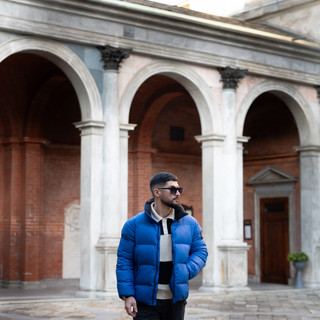
Palermo, the vibrant capital of Sicily, is a city where history, culture and everyday life come together in a fascinating mix of influences. Located on the northern coast of the island, Palermo has been shaped by centuries of Mediterranean exchange, leaving behind a remarkable collection of architecture, culinary traditions and neighbourhoods full of character.
From its historic churches and bustling markets to its narrow streets and sunlit squares, Palermo offers an experience that feels both intense and deeply authentic. The city is not defined by a single style or period. Instead, Arab, Norman, Byzantine and Baroque influences coexist throughout its streets, creating an urban landscape unlike anywhere else in Italy.
For travellers, Palermo is a destination to experience slowly. Its appeal lies not only in famous landmarks but also in the everyday details: the sound of conversations spilling out of cafés, the aroma of freshly prepared street food and the contrast between weathered façades and colourful market stalls.
For photographers, the city offers an especially rich environment. Its architecture, street life, food culture and Mediterranean light provide endless opportunities to capture the character of Sicily.
Palermo's Historic Centre: A Journey Through Time
The historic centre is the natural starting point for discovering Palermo. Its streets reveal the layers of history that have shaped the city, from the period of Norman rule to later Spanish and Italian influences.
One of the most impressive landmarks is Palermo Cathedral, a monumental building that reflects several architectural periods. Its exterior combines Norman, Gothic, Catalan and Neoclassical elements, while its distinctive towers and decorative details make it one of the city's most recognisable sights.
Walking around the cathedral offers a glimpse into Palermo's complex history. Rather than following a single architectural tradition, the building reflects the many cultures that have influenced Sicily over the centuries.
Another essential stop is the Palazzo dei Normanni, also known as the Norman Palace. Once a royal residence, it is one of the most important historical buildings in the city. Its Palatine Chapel is particularly famous for its Byzantine mosaics, which combine gold backgrounds, intricate patterns and religious imagery.
For visitors interested in history and architecture, these landmarks provide an introduction to Palermo's unique identity. For photographers, they offer opportunities to explore symmetry, architectural detail and the relationship between historic buildings and the surrounding streets.
Quattro Canti: The Heart of Historic Palermo
At the intersection of two of Palermo's principal historic streets lies Quattro Canti, one of the city's most recognisable urban spaces. Officially known as Piazza Vigliena, this Baroque square is framed by four curved façades decorated with statues, columns and elaborate architectural details.
The square creates a natural meeting point between different parts of the historic centre. Its carefully designed geometry contrasts with the more irregular network of streets surrounding it, making it an especially interesting location for architectural photography.
Depending on the time of day, the façades can appear dramatically different. Direct sunlight emphasises their sculptural details, while softer light brings out their textures and colours.
Quattro Canti also illustrates how architecture can shape the experience of a city. Rather than functioning only as a monument, the square forms part of Palermo's everyday rhythm, with pedestrians, traffic and visitors constantly moving through the space.
A short walk from here leads to further historic streets, churches and small squares, making it an ideal starting point for exploring the city on foot.
The Markets of Palermo: A City Full of Life
One of Palermo's most distinctive experiences is its traditional street-market culture. Markets such as Ballarò and the Mercato del Capo provide a lively introduction to the city's food traditions and everyday atmosphere.
Stalls display fresh produce, fish, spices, vegetables and local specialities, while vendors call out to customers and conversations fill the surrounding streets. The result is an environment that feels energetic, colourful and deeply connected to local life.
Ballarò is particularly known for its busy atmosphere and variety of food stalls. Exploring the market offers an opportunity to discover Sicilian ingredients and observe how food remains central to social life in Palermo.
The Mercato del Capo provides another perspective on the city's traditional market culture, with narrow streets lined with stalls and small food businesses.
For photographers, these markets are among the most rewarding places in Palermo. Colours, textures, gestures and spontaneous interactions create opportunities for documentary-style images that communicate the city's personality.
When photographing vendors and visitors, it is important to remain respectful and ask permission when appropriate. A considerate approach can lead to more natural interactions and a more meaningful photographic experience.
Sicilian Street Food: A Taste of Palermo
Food is an essential part of discovering Palermo. Sicilian cuisine reflects the island's geographical position and its long history of cultural exchange, combining Mediterranean ingredients with influences from several different culinary traditions.
Palermo is particularly famous for its street food, which can be enjoyed in markets, small shops and casual eateries throughout the historic centre.
One of the city's best-known specialities is arancina, a fried rice ball traditionally filled with ingredients such as ragù, mozzarella or ham. The name and shape can vary across Sicily, but in Palermo the local version is strongly associated with the city's culinary identity.
Another iconic dish is pane con la milza, a traditional sandwich filled with veal spleen and lung. Known locally as pani câ meusa, it is a long-established part of Palermo's street-food culture and offers a distinctive taste of the city's culinary heritage.
Visitors can also try panelle, chickpea-flour fritters commonly served in bread, and sfincione, a thick Sicilian pizza traditionally topped with tomato, onion, anchovies and breadcrumbs.
For something sweet, cannoli filled with ricotta and cannoli siciliani are among the island's most recognisable desserts, while cassata offers another example of Sicily's rich confectionery traditions.
Exploring Palermo through its food is more than a culinary activity. It is a way to understand the island's history, local customs and the importance of sharing meals as part of everyday life.
Teatro Massimo: Palermo's Cultural Landmark
Teatro Massimo is one of Palermo's most impressive buildings and one of the largest opera houses in Europe. Opened in 1897, it stands as a symbol of the city's cultural ambitions and architectural heritage.
Its monumental façade, grand staircase and classical design make it a striking feature of the city centre. The surrounding Piazza Verdi is also a lively urban space, where visitors gather and everyday city life unfolds against the backdrop of the theatre.
Even for travellers who do not attend an opera or concert, the building is worth including in a walking itinerary. Guided tours may also offer an opportunity to discover its interiors and learn more about its history, subject to availability.
For photographers, Teatro Massimo offers a strong architectural subject. Its symmetry, columns and scale lend themselves to wide compositions, while closer details reveal the craftsmanship behind the building.
The theatre is also a reminder that Palermo's identity extends beyond its ancient history. Its cultural institutions reflect a city that continues to develop and reinterpret its artistic traditions.
The Beauty of Palermo's Streets
Some of Palermo's most memorable experiences happen between its major landmarks. Walking through the historic centre reveals narrow streets, balconies, weathered walls, hidden courtyards and small cafés that reflect the city's layered character.
The contrast between faded façades and restored buildings gives many streets a distinctive visual quality. Some areas feel monumental and formal, while others are intimate, lively and wonderfully unpredictable.
This is one of the reasons Palermo rewards exploration on foot. Turning into a side street may reveal a small church, a local bakery or a quiet square that offers a different perspective on the city.
For photographers, these everyday spaces are particularly valuable. Rather than concentrating exclusively on iconic sights, it is possible to create a visual narrative through smaller details: laundry hanging from balconies, sunlight falling across old walls, scooters parked outside cafés or people gathering in the shade.
Such images can communicate the atmosphere of Palermo more effectively than a series of landmark photographs alone.
The Mediterranean Coast: Discovering Palermo Beyond the Centre
Although Palermo is primarily known for its historic streets and cultural heritage, its coastal setting is another important part of its appeal.
The nearby seaside destination of Mondello is particularly popular for its sandy beach, turquoise water and relaxed atmosphere. Located northwest of the city centre, it offers a different perspective on Palermo and makes a rewarding excursion when the weather is suitable.
During warmer months, Mondello attracts visitors looking to swim, sunbathe and enjoy the Mediterranean. Outside the main summer season, the area can offer a quieter coastal experience, with opportunities for walks and photography.
The contrast between Palermo's dense historic centre and Mondello's open coastline makes the two destinations a natural combination. One offers centuries of architecture and urban life, while the other highlights the landscape that helps define Sicily.
For photographers, the coast provides opportunities to work with changing light, reflections and the colours of the sea. The surrounding hills and waterfront architecture can also add depth to landscape compositions.
Palermo Through a Photographer's Perspective
Palermo is an exceptionally rewarding destination for travel photography because it offers so many different visual environments within a relatively compact area.
The historic centre provides monumental architecture, intricate details and strong geometric compositions. Traditional markets offer movement, colour and documentary-style opportunities, while the city's streets reveal the everyday moments that give Palermo its character.
Light is an important element of the experience. Bright Mediterranean sunshine can create strong contrasts between illuminated façades and shaded streets, while early mornings often provide quieter surroundings and softer conditions.
For a more atmospheric photographic story, focus on the relationship between people and their environment. A vendor arranging produce, a café terrace coming to life or a pedestrian crossing a historic square can communicate a sense of place that goes beyond a simple record of the location.
It is also worth experimenting with different perspectives. Wide-angle images can capture the scale of Palermo's architecture, while tighter compositions highlight textures, colours and small details.
A strong photographic series might combine three elements: the grandeur of the historic buildings, the energy of the markets and the relaxed atmosphere of the Mediterranean coast. Together, they offer a more complete portrait of the city.
Why Palermo Is Worth Visiting
Palermo is an excellent destination for travellers who appreciate history, architecture, food and authentic urban experiences. Its cultural heritage is visible throughout the city, from Norman landmarks and Baroque squares to traditional markets and neighbourhood streets.
The city also offers an unusually rich culinary experience. Sicilian street food, local pastries and traditional dishes provide countless opportunities to discover the island's culture through its cuisine.
Beyond the historic centre, the nearby coastline adds another dimension to a visit. The combination of urban exploration and Mediterranean scenery makes Palermo suitable for travellers who want variety without constantly moving between destinations.
For photographers, the city offers a particularly compelling balance of architecture, street life and natural light. Its visual character is full of contrasts, allowing for images that range from carefully composed architectural studies to spontaneous moments in busy markets.
Palermo may feel intense at times, but that energy is part of its appeal. It is a city that invites visitors to look beyond the obvious and discover the stories hidden in its streets.
Final Thoughts
Palermo is a city that captures the complexity and beauty of Sicily. Its historic landmarks reveal centuries of cultural exchange, its markets express the energy of everyday life, and its food traditions reflect the island's distinctive Mediterranean identity.
From the monumental Palermo Cathedral and the elegant Teatro Massimo to the vibrant streets of Ballarò and the coastline of Mondello, the city offers a wide variety of experiences for travellers.
For photographers, Palermo is especially inspiring because of its contrasts. Historic architecture, colourful markets, intimate street scenes and coastal landscapes provide the elements needed to create a rich visual story.
Above all, Palermo is a destination best experienced with curiosity and an open mind. Take time to explore its streets, try its traditional food and appreciate the details that make it different from other Italian cities.
Whether you visit for its history, culinary culture or photographic opportunities, Palermo offers a memorable introduction to the authentic spirit of Sicily.


Comments