
Madrid, Spain: Discovering the Heart and Soul of the Spanish Capital
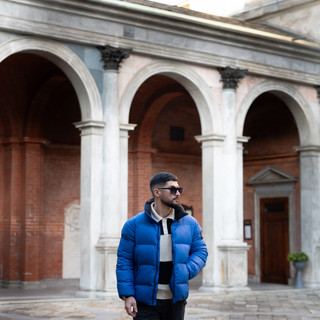
Madrid is a city that captures the spirit of Spain in a way few other destinations can. Elegant boulevards, historic plazas, world-class museums, lively tapas bars, and a vibrant street culture come together to create a capital that feels both timeless and contemporary. From the grandeur of its royal landmarks to the relaxed atmosphere of its neighborhood cafés, Madrid offers an experience that goes far beyond traditional sightseeing.
Unlike Spain's coastal destinations, Madrid reveals a different side of the country. Life here revolves around culture, food, conversation, and the simple pleasure of spending time together. The city is energetic without losing its charm, sophisticated without feeling distant, and full of places that invite you to explore at your own pace.
Whether you are visiting for a weekend getaway or spending several days discovering its neighborhoods, Madrid offers countless opportunities to experience Spanish culture, appreciate remarkable architecture, and capture the character of a city that never seems to stand still.
Puerta del Sol: Where Madrid Comes Together
One of the best places to begin exploring Madrid is Puerta del Sol, one of the city's most famous public squares.
Located in the heart of the capital, the square is a major meeting point surrounded by shops, historic buildings, and busy pedestrian streets. It is also home to two well-known symbols of Madrid: the statue of the Bear and the Strawberry Tree, and the plaque marking Kilometer Zero, traditionally used as the reference point for Spain's main radial roads.
Puerta del Sol is more than a tourist attraction. It reflects the rhythm of everyday life in Madrid, with residents meeting friends, visitors exploring the surrounding streets, and people passing through the square throughout the day.
Just a short walk away lies Plaza Mayor, another essential stop for anyone discovering the historic center. Its elegant arcades, symmetrical façades, and central open space create an atmosphere that feels distinctly Spanish.
The square has served different purposes throughout its history, from public gatherings to markets and celebrations. Today, it remains a wonderful place to sit outside, enjoy a coffee, and observe the city around you.
For photographers, both squares offer opportunities to capture urban movement, architectural symmetry, and the contrasts between historic surroundings and contemporary city life.
The Royal Palace: A Glimpse Into Spain's Royal Heritage
The Royal Palace of Madrid is one of the city's most impressive landmarks. Located near the historic center, it stands as a reminder of Spain's royal history and architectural grandeur.
With its monumental façade, expansive courtyards, and richly decorated interiors, the palace offers a striking contrast to the livelier streets surrounding it.
Although it serves as the official residence of the Spanish royal family for ceremonial purposes, the royal family does not live there on a daily basis. Parts of the palace are open to visitors, allowing them to explore its historic rooms, artistic collections, and elaborate decorative details.
Nearby, the Almudena Cathedral adds another architectural highlight to the area. Its distinctive appearance reflects a combination of styles, while its location beside the palace creates one of Madrid's most recognizable urban settings.
The surrounding gardens and viewpoints are also worth exploring. From certain areas near the palace, visitors can enjoy expansive views toward the western part of the city and the green landscapes beyond.
For travelers interested in history and architecture, this part of Madrid offers an opportunity to understand the traditions that have shaped the Spanish capital over centuries.
Gran Vía: The Energy of Modern Madrid
Often described as one of Madrid's most recognizable avenues, Gran Vía brings together shopping, entertainment, architecture, and the city's unmistakable urban energy.
The boulevard is lined with impressive buildings, theaters, fashion stores, cafés, and restaurants. Its combination of historic architectural styles and contemporary commercial life gives it a character that feels distinctly metropolitan.
Walking along Gran Vía reveals a different side of Madrid from the quieter plazas of the historic center. Traffic moves through the avenue, people fill the sidewalks, and illuminated signs create a lively atmosphere as evening approaches.
Architecture enthusiasts will find plenty to appreciate along the route. Ornate façades, decorative towers, and early twentieth-century buildings reflect the city's transformation into a modern European capital.
For a particularly memorable perspective, explore the area around sunset, when the changing light emphasizes the architectural details and the city begins to transition into its evening rhythm.
Gran Vía is also an excellent starting point for discovering nearby neighborhoods. A short walk can take you toward Malasaña, known for its creative atmosphere, or Chueca, recognized for its lively restaurants, bars, and inclusive cultural scene.
The Prado Museum: Discovering Spain Through Art
Madrid is one of Europe's most important cultural destinations, and the Museo Nacional del Prado is at the center of its artistic identity.
The museum houses an extraordinary collection of European art, with particular strength in Spanish painting. Visitors can discover masterpieces by artists such as Diego Velázquez, Francisco de Goya, and El Greco, alongside works by other influential European painters.
One of the Prado's greatest strengths is the way its collection reflects different periods of European history. Religious imagery, royal portraits, mythological scenes, and paintings depicting political and social life reveal how art has shaped and documented the world around it.
Velázquez's Las Meninas is among the museum's most celebrated works, admired for its complex composition and unusual treatment of perspective.
Even for visitors who are not usually passionate about museums, the Prado offers an opportunity to engage with art in a meaningful way. The scale and diversity of the collection make it worth allowing several hours rather than treating it as a quick stop.
Madrid's cultural offering extends well beyond the Prado. The nearby Museo Reina Sofía focuses on modern and contemporary art, including Pablo Picasso's powerful painting Guernica, while the Thyssen-Bornemisza Museum presents works spanning several centuries.
Together, these institutions form Madrid's famous Art Triangle, making the city an exceptional destination for anyone interested in visual culture.
Retiro Park: Finding Calm in the Middle of the City
After exploring Madrid's busy streets and cultural landmarks, Retiro Park offers a welcome opportunity to slow down.
Known locally as El Retiro, this extensive green space is one of the city's most beloved public parks. Its tree-lined paths, gardens, monuments, and open lawns create an atmosphere that feels far removed from the surrounding urban environment.
One of its most recognizable features is the large artificial lake beside the Monument to Alfonso XII. Visitors can rent rowing boats, relax by the water, or simply enjoy the views across the park.
The Crystal Palace, a beautiful glass-and-metal structure originally built in the nineteenth century, is another highlight. Surrounded by greenery and often reflecting the changing light, it is one of the park's most photogenic locations. Its exhibition use and opening arrangements can vary, so it is worth checking current information before visiting.
Retiro is also a place to observe everyday life in Madrid. Locals come here to exercise, read, meet friends, and enjoy time outdoors.
For photographers, the park offers a different visual atmosphere from the city's architecture. Natural light, reflections, tree-lined paths, and candid moments create opportunities for more relaxed and intimate images.
Malasaña and La Latina: Discovering Madrid's Neighborhoods
Madrid becomes especially interesting when you move beyond its major attractions and explore its individual neighborhoods.
Malasaña is known for its creative atmosphere, independent shops, vintage stores, street art, and cafés. Its streets reflect a younger, more alternative side of the capital, offering a contrast to the grandeur of the Royal Palace and the traditional elegance of central Madrid.
It is an excellent area to explore without a fixed itinerary. Small boutiques, neighborhood bakeries, and independent coffee shops invite you to stop whenever something catches your attention.
La Latina offers a different experience. Its narrow streets, historic buildings, traditional taverns, and lively terraces make it one of the best neighborhoods for experiencing Madrid's food culture.
On Sundays, the nearby El Rastro flea market brings crowds to the streets, with stalls selling antiques, clothing, collectibles, and a wide variety of secondhand goods.
Both neighborhoods reveal why Madrid is more than a collection of monuments. Its character emerges through the different ways people live, socialize, and use public spaces.
For photographers, these areas are particularly rewarding. Colorful façades, small details, street scenes, and the movement of everyday life offer opportunities to capture the city in a more spontaneous way.
Spanish Cuisine: Tapas, Markets and the Joy of Sharing
Food is an essential part of experiencing Madrid. The city combines traditional Spanish cooking with influences from different regions of the country, creating a dining scene that ranges from historic taverns to contemporary restaurants.
One of Madrid's best-known specialties is the bocadillo de calamares, a squid sandwich traditionally associated with the area around Plaza Mayor. Simple yet satisfying, it is an iconic choice for anyone looking to try a local favorite.
Another classic is the tortilla española, a Spanish omelet made with eggs and potatoes. Croquetas, patatas bravas, and jamón are also common features of tapas menus throughout the city.
For a deeper culinary experience, visit Mercado de San Miguel, near Plaza Mayor. Its stalls offer a variety of Spanish products and small dishes in a historic market setting. It is popular with visitors, so exploring smaller neighborhood markets and traditional bars can also provide a more local perspective.
Madrid's food culture is closely connected to social life. Meals are often enjoyed slowly, with conversation and shared dishes forming an important part of the experience.
The city is also famous for its late dining hours. Evening meals often begin later than in many northern European countries, and restaurant terraces remain lively well into the night.
Whether you enjoy a simple coffee and pastry in the morning or spend an evening moving between tapas bars, Madrid offers countless opportunities to experience the pleasure of Spanish food and hospitality.
Madrid After Dark: A City That Comes Alive in the Evening
As daylight fades, Madrid reveals another side of its personality.
The streets become illuminated, restaurants fill with conversation, and plazas take on a lively atmosphere as residents meet friends and enjoy the cooler evening air.
The area around Gran Vía is particularly energetic after dark, with its theaters, illuminated buildings, and busy sidewalks. Meanwhile, neighborhoods such as La Latina and Malasaña offer a more intimate atmosphere, with traditional bars, contemporary restaurants, and small venues.
Madrid is also known for its cultural nightlife. Depending on the season, visitors can discover live music, theater, flamenco performances, and a wide variety of events throughout the city.
For photographers, evening Madrid offers opportunities to work with artificial light, reflections, motion, and the contrast between illuminated architecture and darker streets.
One of the simplest ways to experience the city is to take an evening walk without planning every stop. You might discover a lively plaza, find a small bar that catches your attention, or simply enjoy the atmosphere of a city that seems to become more animated as the day comes to an end.
When to Visit Madrid
Madrid can be visited throughout the year, but each season offers a different experience.
Spring is one of the most appealing times to explore the city on foot. Temperatures are often comfortable, parks become greener, and outdoor terraces provide an inviting setting for long afternoons.
Summer can be extremely hot, particularly during July and August. If you visit during this period, consider exploring early in the morning, taking a break during the hottest part of the day, and returning to the streets in the evening.
Autumn brings milder temperatures and is an excellent season for discovering museums, architecture, and the city's different neighborhoods.
Winter offers a different atmosphere, with seasonal decorations, Christmas markets, and cultural activities. Although temperatures can be cold, Madrid's cafés, museums, and restaurants make it an enjoyable destination for a city break.
Whenever you visit, allow enough time to explore the city beyond its central landmarks. Madrid rewards travelers who balance sightseeing with relaxed meals, neighborhood walks, and spontaneous discoveries.
Why Madrid Should Be on Your Travel List
Madrid offers a compelling combination of culture, architecture, food, and everyday Spanish life.
It is a city where royal history meets contemporary creativity, where world-class museums stand alongside lively neighborhood bars, and where grand boulevards lead toward quieter streets filled with cafés and independent businesses.
Its attractions are impressive, but the real appeal of Madrid often lies in the experience of the city itself. Sitting on a terrace, exploring a new neighborhood, visiting a local market, or walking through Retiro Park can be just as memorable as seeing its most famous monuments.
For travelers interested in art and photography, Madrid offers an especially rich environment. Its museums provide an extraordinary artistic heritage, while its streets and public spaces offer opportunities to capture the rhythms of modern urban life.
Whether you visit for a weekend or stay longer, the capital provides a balance of cultural discovery and relaxed social experiences that makes it easy to understand why so many people fall in love with the city.
Madrid: Experiencing the True Spirit of Spain
Madrid is more than the political and geographical heart of Spain. It is a city defined by its energy, cultural richness, and ability to bring together different aspects of Spanish life.
From the grandeur of the Royal Palace to the creative streets of Malasaña, from the masterpieces of the Prado to the peaceful paths of Retiro Park, every part of the city offers a different perspective.
Yet the memories that remain are not always connected to the most famous attractions. They can be found in a conversation over tapas, a quiet moment in a sunny plaza, or an evening walk through streets that seem to grow more vibrant with every passing hour.
For me, Madrid represents a destination that invites you to experience rather than simply observe. It encourages you to slow down, appreciate the details, and become part of the rhythm of the city, even if only for a few days.
Madrid is a city to explore with curiosity, experience through its culture, and remember for its unmistakable energy — a place that captures the heart of Spain in a way that stays with you long after the journey has ended.


Comments