
Barcelona, Spain: Discovering the Vibrant Soul of Catalonia
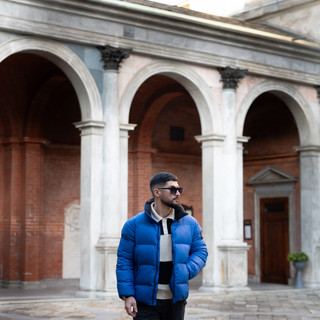
Barcelona is a city that effortlessly combines Mediterranean charm, extraordinary architecture, and an unmistakable creative energy. Located along the northeastern coast of Spain, the Catalan capital offers a fascinating mix of historic streets, modern design, sandy beaches, and a lifestyle that encourages visitors to slow down and enjoy their surroundings.
From the architectural masterpieces of Antoni Gaudí to the lively streets of the Gothic Quarter, Barcelona is a destination where every neighborhood has its own character. The city feels both historic and contemporary, balancing centuries of cultural heritage with a modern atmosphere shaped by art, food, music, and everyday life.
Whether you are visiting for a weekend escape or spending several days exploring its different neighborhoods, Barcelona offers an experience that extends far beyond its most famous landmarks. It is a city to discover on foot, experience through its flavors, and appreciate through the small details that make it so distinctive.
La Sagrada Família: An Architectural Masterpiece
Few buildings define Barcelona as strongly as the Sagrada Família. Designed by Antoni Gaudí, this extraordinary basilica has become one of the most recognizable architectural landmarks in the world.
Construction began in 1882, and the building remains closely associated with Gaudí's distinctive vision, which draws inspiration from nature, geometry, and religious symbolism. Its intricate façades, towering spires, and remarkable interior create an architectural experience unlike almost anything else in Europe.
Inside, sunlight filters through colorful stained-glass windows, filling the space with changing shades of blue, green, red, and gold. The columns branch upward like trees, creating the impression of standing inside a vast, carefully constructed forest.
The exterior is equally fascinating, with sculptures and architectural details that reward closer observation. Every section tells a different story, making the basilica worth appreciating slowly rather than simply photographing from the outside.
For photographers and architecture enthusiasts, the Sagrada Família offers endless opportunities to explore symmetry, texture, light, and perspective.
It is more than a landmark. It is an expression of the creativity and ambition that have helped shape Barcelona's identity.
Park Güell: Where Architecture Meets Nature
Another extraordinary example of Gaudí's imagination is Park Güell, a colorful architectural park overlooking Barcelona.
Originally conceived as part of a residential development, the project evolved into one of the city's most distinctive public spaces. Today, its winding pathways, decorative mosaics, unusual structures, and elevated viewpoints create an environment that feels almost surreal.
The famous mosaic-covered terrace is one of the park's most recognizable features. From here, visitors can admire the colorful architectural details in the foreground while the city stretches toward the Mediterranean in the distance.
The park demonstrates Gaudí's ability to combine architecture with natural forms. Curved benches, organic shapes, and structures inspired by the surrounding landscape make the space feel integrated into its environment rather than imposed upon it.
Beyond its famous viewpoints, Park Güell is also worth exploring for its smaller details. The textures of the mosaics, the interplay of colors, and the way sunlight moves across the structures create beautiful photographic opportunities.
Visiting earlier in the day can provide a more relaxed experience, particularly during busier travel seasons. Advance reservations are also advisable for the monument area, as access is controlled.
The Gothic Quarter: Exploring Barcelona's Historic Streets
While Gaudí's architecture represents one side of Barcelona, the Gothic Quarter reveals a different layer of the city's identity.
Known locally as Barri Gòtic, this historic neighborhood is characterized by narrow streets, stone façades, hidden courtyards, and small squares that seem to appear unexpectedly as you walk through the area.
At its center stands Barcelona Cathedral, an impressive Gothic building surrounded by historic streets and lively public spaces. Nearby, Plaça del Rei offers a glimpse into the city's medieval past, with architecture that reflects Barcelona's long history as an important Mediterranean center.
Walking through the Gothic Quarter is one of the best ways to experience the city without following a strict itinerary. A narrow passage may lead to a quiet courtyard, while another street opens onto a lively square filled with cafés and restaurants.
The neighborhood also reveals the contrasts that make Barcelona so interesting. Historic buildings coexist with independent boutiques, contemporary galleries, and modern businesses, creating an atmosphere that feels both traditional and current.
For photographers, the Gothic Quarter is particularly rewarding. The combination of textured stone, architectural framing, narrow streets, and shifting light makes it ideal for atmospheric street photography.
Sometimes, the most memorable discoveries happen when you leave the main routes behind and simply follow whichever street catches your attention.
La Rambla and La Boqueria: Experiencing the City's Energy
La Rambla is one of Barcelona's best-known boulevards, connecting Plaça de Catalunya with the waterfront near the historic port.
The wide pedestrian promenade is lined with trees, shops, cafés, and street activity, creating a lively introduction to the city's atmosphere. It is a place where visitors and residents move between different parts of central Barcelona, surrounded by the energy of everyday urban life.
One of the most interesting stops nearby is Mercat de la Boqueria, the famous food market located just off La Rambla.
Inside, colorful displays of fresh fruit, seafood, vegetables, spices, and regional products reveal the importance of food in Catalan culture. The market is also a great place to discover local ingredients and observe the visual richness of Barcelona's culinary traditions.
Although La Rambla can become very crowded, it remains an important part of the city's identity. Exploring the surrounding streets and smaller markets can provide a more varied perspective on the area.
As always in busy tourist districts, keep an eye on your belongings and take time to explore beyond the main thoroughfare.
Casa Batlló and Casa Milà: Gaudí's Creative Vision
Barcelona's architectural identity extends well beyond the Sagrada Família and Park Güell. Along Passeig de Gràcia, two of Gaudí's most celebrated works demonstrate how dramatically he transformed the idea of a residential building.
Casa Batlló is known for its colorful façade, flowing forms, and decorative details inspired by the natural world. Its curved balconies and shimmering surface create an almost dreamlike appearance, particularly when sunlight reflects across the building.
Nearby, Casa Milà, often called La Pedrera, presents a different interpretation of Gaudí's architectural language. Its undulating stone façade, sculptural rooftop chimneys, and unconventional interior spaces challenge traditional ideas of structure and design.
Both buildings form part of the architectural heritage that makes Barcelona such an important destination for anyone interested in design.
Walking along Passeig de Gràcia also offers an opportunity to appreciate the wider architectural character of the city. Elegant façades, established fashion houses, and modern storefronts create an atmosphere that combines historic grandeur with contemporary urban life.
For travelers who appreciate architecture, this area deserves more than a quick stop for photographs. Looking closely at the details reveals just how inventive Barcelona's built environment can be.
Barceloneta: The Mediterranean Side of Barcelona
Barcelona's appeal is not limited to architecture and historic streets. The city's coastline provides a different atmosphere, where the pace of life becomes more relaxed and the Mediterranean takes center stage.
Barceloneta is one of the most recognizable beach neighborhoods, known for its sandy shoreline, seaside promenade, and restaurants serving seafood and other local specialties.
A walk along the beach offers a welcome contrast to the busy streets of the city center. Locals exercise by the water, visitors enjoy the sea views, and cafés provide places to pause after a day of exploring.
Barcelona's relationship with the sea is an important part of its character. The coastline contributes to the city's outdoor lifestyle, making it possible to combine cultural sightseeing with time spent near the water.
The beach can be especially appealing in the early morning, when the atmosphere is quieter and the light is softer. Later in the day, the promenade becomes more energetic as people gather to enjoy the sunshine and the sea breeze.
For photographers, Barceloneta offers opportunities to capture movement, reflections, silhouettes, and the contrast between the urban skyline and the open horizon.
Even if you are not visiting during beach season, the waterfront remains a worthwhile place to experience another side of Barcelona.
Montjuïc: Panoramic Views and Cultural Discoveries
Rising above the southwestern part of the city, Montjuïc is a hill that combines green spaces, cultural institutions, historic landmarks, and panoramic viewpoints.
The area is home to Montjuïc Castle, an old military fortress overlooking the port and surrounding coastline. From its elevated position, visitors can enjoy expansive views across Barcelona and the Mediterranean.
Montjuïc also contains several important cultural attractions, including the Museu Nacional d'Art de Catalunya, whose collections span different periods of Catalan and European art.
The surrounding gardens and walking paths provide a quieter alternative to the city's busiest tourist districts. Depending on the route you choose, you can move between landscaped parks, architectural landmarks, and viewpoints overlooking the city.
The area is particularly appealing toward the end of the day, when the changing light creates a different atmosphere across the rooftops and coastline.
For travelers who want to balance Barcelona's busy streets with a more relaxed experience, Montjuïc is an excellent place to spend an afternoon.
It also offers some of the city's most rewarding photographic perspectives, especially for wide compositions that capture the relationship between urban architecture, the port, and the sea.
Catalan Cuisine: Discovering Barcelona Through Food
Food is an essential part of experiencing Barcelona. The city's culinary identity reflects Catalan traditions, Mediterranean ingredients, and a contemporary dining scene that continues to evolve.
Traditional dishes provide an introduction to the region's flavors. Pa amb tomàquet, bread rubbed with tomato and finished with olive oil and salt, is a simple but iconic example of Catalan cuisine.
Other specialties include escalivada, a dish of roasted vegetables, and a variety of seafood preparations influenced by the city's coastal location. For dessert, crema catalana is a classic choice, known for its creamy texture and caramelized sugar topping.
Barcelona is also an excellent city for discovering tapas and small plates. Many restaurants offer opportunities to share several dishes, allowing you to sample different flavors during a single meal.
Beyond traditional cuisine, the city has a thriving café culture. From independent coffee shops to historic cafés and modern bakeries, there are plenty of places to pause during a day of sightseeing.
One of the best ways to experience this side of Barcelona is to leave room for spontaneous stops. A small neighborhood restaurant or an unfamiliar bakery can become one of the highlights of a trip.
Food offers more than a taste of the region. It provides a way to connect with the rhythms of local life and appreciate the cultural traditions that continue to shape the city.
Barcelona After Dark: A City That Never Feels Quite the Same
As the sun sets, Barcelona transforms once again. The streets become illuminated, restaurants fill with conversation, and different neighborhoods develop their own evening atmosphere.
The Gothic Quarter is particularly atmospheric after dark, when its historic architecture takes on a different character beneath the streetlights. In El Born, narrow streets, independent bars, and small restaurants create a lively setting for an evening walk.
Along the waterfront, the open views and sea breeze provide a more relaxed alternative to the busy city center.
Barcelona's evening culture is closely connected to social life. Dinner is often enjoyed later than in many northern European countries, and spending time with friends over food and drinks is an important part of the local rhythm.
For photographers, the evening offers opportunities to explore artificial light, reflections, movement, and the contrast between historic architecture and contemporary city life.
Rather than planning every moment, allow yourself to wander through a neighborhood and see where the evening takes you. Sometimes, the most memorable experiences are the ones that happen without a detailed plan.
When to Visit Barcelona
Barcelona is a year-round destination, but each season offers a slightly different experience.
Spring is an excellent time to explore the city on foot. Temperatures are generally comfortable, parks become greener, and outdoor cafés provide an inviting setting for relaxed afternoons.
Summer brings long days, beach activities, and a lively atmosphere. However, temperatures can be high and popular attractions become busy, so early starts and advance bookings are useful.
Autumn offers another appealing balance of milder weather and outdoor activities. It is a good season for architecture, food, photography, and discovering the city's neighborhoods at a comfortable pace.
Winter is generally milder than in many central European cities, making Barcelona a worthwhile destination for a cultural city break. Although beach weather is less predictable, the museums, architecture, restaurants, and historic streets remain appealing throughout the season.
Whenever you visit, plan ahead for major attractions such as the Sagrada Família, Park Güell, and Gaudí's most famous buildings. Booking tickets in advance can help you make better use of your time.
Why Barcelona Should Be on Your Travel List
Barcelona offers an extraordinary combination of architectural innovation, cultural heritage, Mediterranean lifestyle, and contemporary creativity.
It is a city where a morning spent exploring historic streets can be followed by an afternoon near the sea, and where world-famous landmarks coexist with neighborhood cafés and quieter corners waiting to be discovered.
Its architectural identity is particularly distinctive. Gaudí's imaginative creations, the Gothic Quarter's medieval character, and the city's modern urban spaces reveal different aspects of a destination that continues to evolve.
At the same time, Barcelona is a city best experienced beyond its main attractions. Its food culture, lively public spaces, and connection to the Mediterranean create an atmosphere that encourages visitors to slow down and appreciate the everyday details.
For photographers, the city offers endless inspiration. Strong architectural lines, colorful façades, street scenes, coastal landscapes, and changing natural light create opportunities to tell a visual story that feels different in every neighborhood.
Whether you are visiting for culture, food, design, or simply a change of scenery, Barcelona offers a city break that can be as relaxed or as adventurous as you choose.
Barcelona: A City That Stays With You
Barcelona is more than a destination defined by famous landmarks. It is a city of contrasts, where historic streets meet contemporary design, urban energy meets the calm of the sea, and centuries of tradition coexist with a creative modern identity.
From the extraordinary architecture of the Sagrada Família to the intimate streets of the Gothic Quarter, from the colorful world of Park Güell to the Mediterranean atmosphere of Barceloneta, every part of the city offers a different perspective.
What makes Barcelona so memorable is the way these experiences come together. You can spend the day discovering architectural masterpieces, enjoy a leisurely meal inspired by Catalan cuisine, and finish the evening walking through illuminated streets.
For me, Barcelona represents the kind of destination that rewards curiosity. There is always another neighborhood to explore, another architectural detail to notice, and another moment that captures the character of the city.
Barcelona is a place to explore slowly, experience visually, and enjoy through its culture and everyday life — a city that leaves you with lasting impressions long after the journey has ended.


Comments